Have you ever wondered where phone numbers come from? How are they assigned? What do all those digits mean? Let’s dive into the fascinating world of phone number allocation and trace the numbers back to their origins.
When you receive a new phone number, it’s not just a random string of digits. Each number is carefully assigned by telecommunication authorities based on specific rules and guidelines. These rules vary from country to country, ensuring that every number is unique and serves its intended purpose.
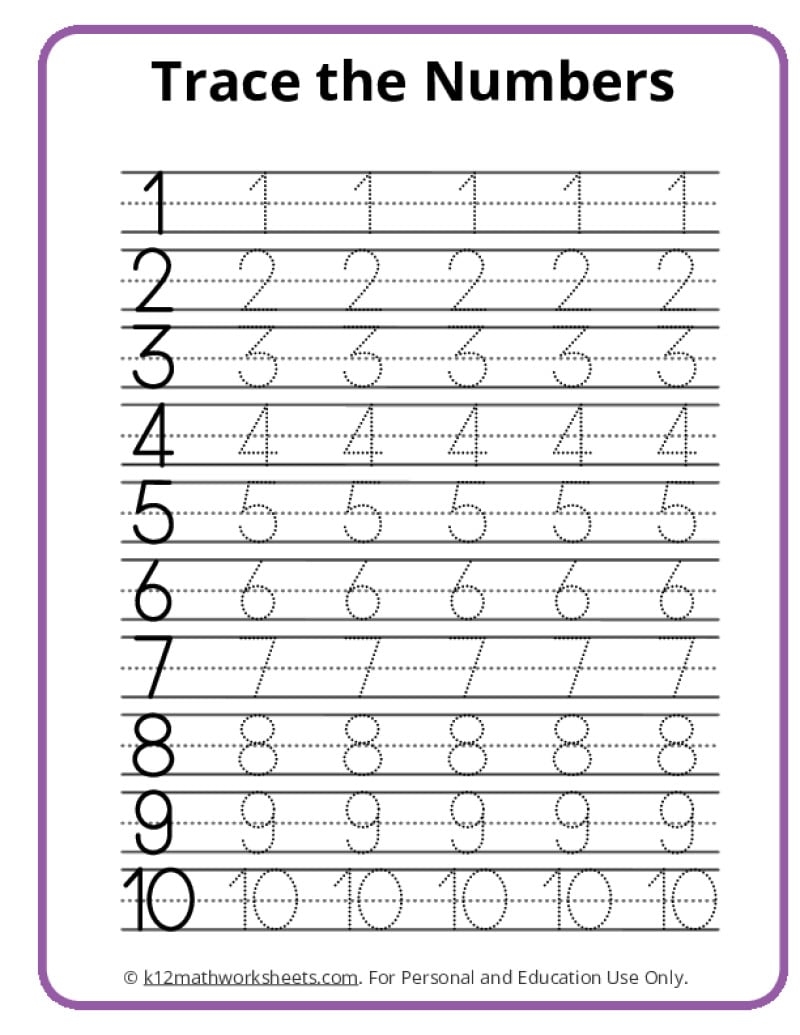
trace the numbers
Trace the Numbers: Understanding Phone Number Structure
Phone numbers typically consist of a country code, area code, and subscriber number. The country code identifies the country where the number is registered, while the area code specifies the region within that country. The subscriber number is unique to each individual or business.
For example, in the United States, phone numbers are assigned based on geographic location and service provider. Area codes can indicate the state or city, while the subscriber number distinguishes one phone line from another within the same area code.
As technology has evolved, so has the way phone numbers are allocated. With the rise of mobile phones and Voice over Internet Protocol (VoIP) services, new numbering schemes have been introduced to accommodate these advancements. Despite these changes, the fundamental principles of phone number allocation remain consistent.
Next time you dial a number, take a moment to appreciate the intricate system behind it. Each digit is part of a larger network that connects us all. So, the next time you receive a call, remember to trace the numbers and discover the story behind each one.
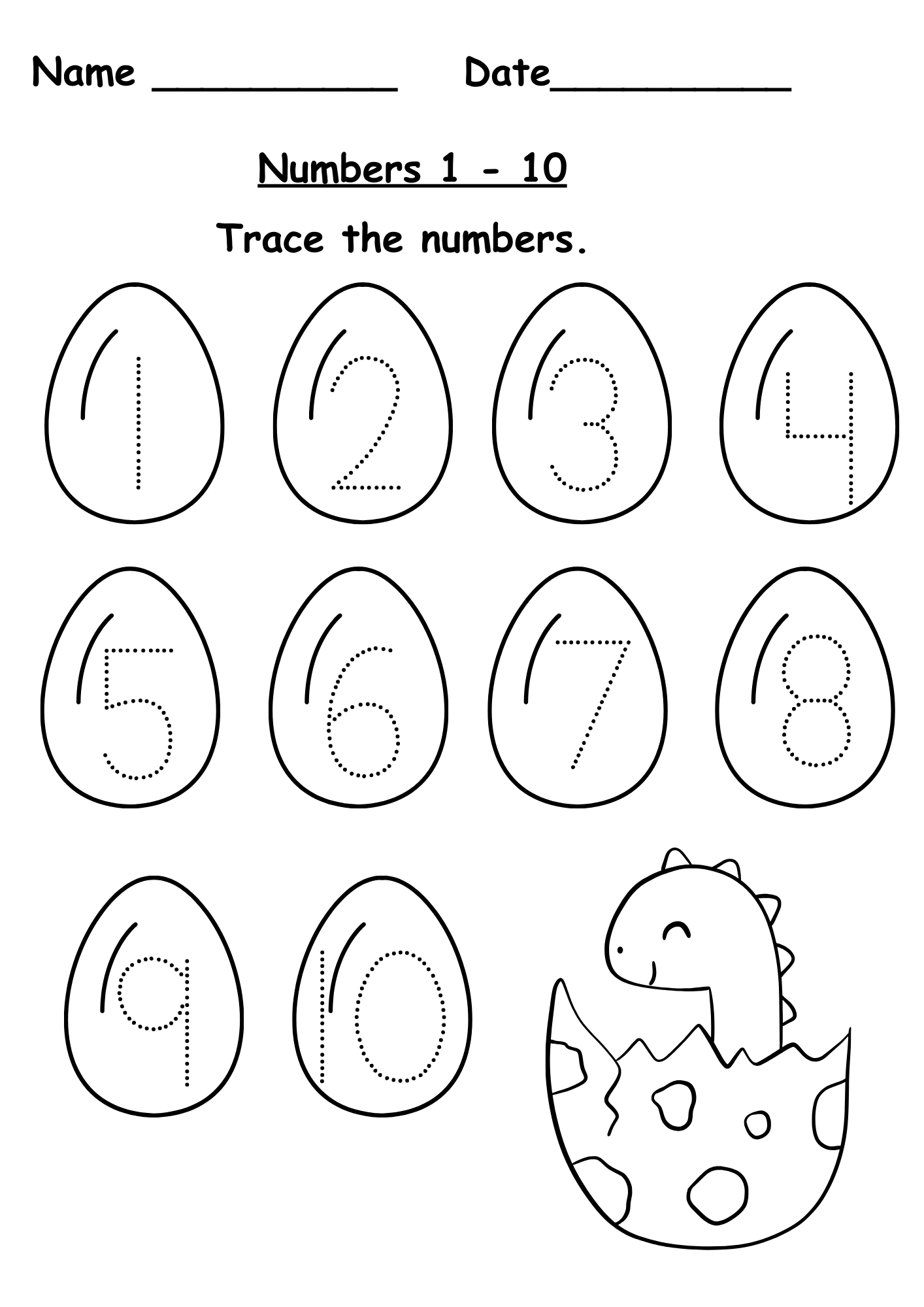
Tracing Numbers 1 10
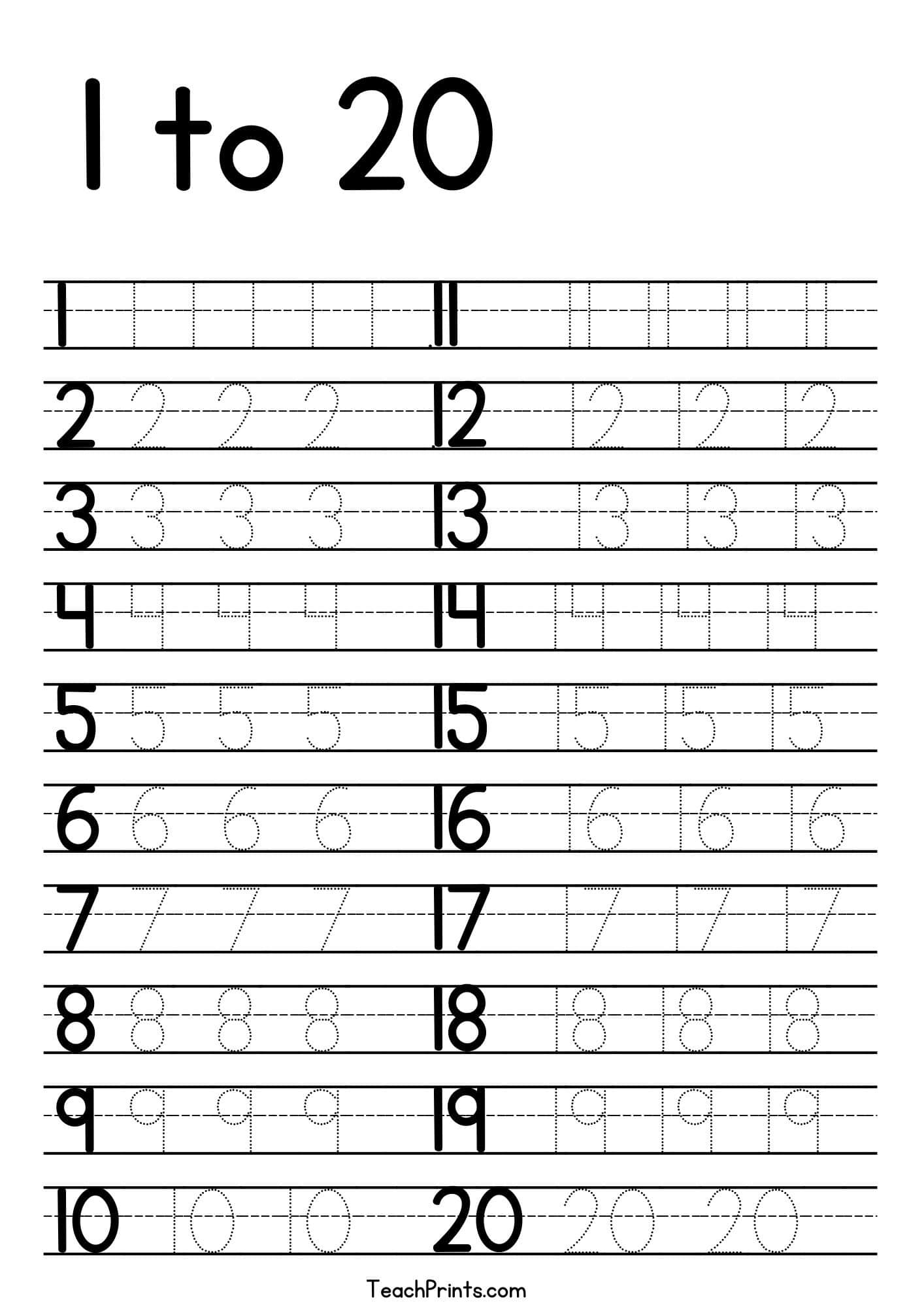
Tracing Numbers 1 20 Worksheets Free Printable Pdfs Teach Prints
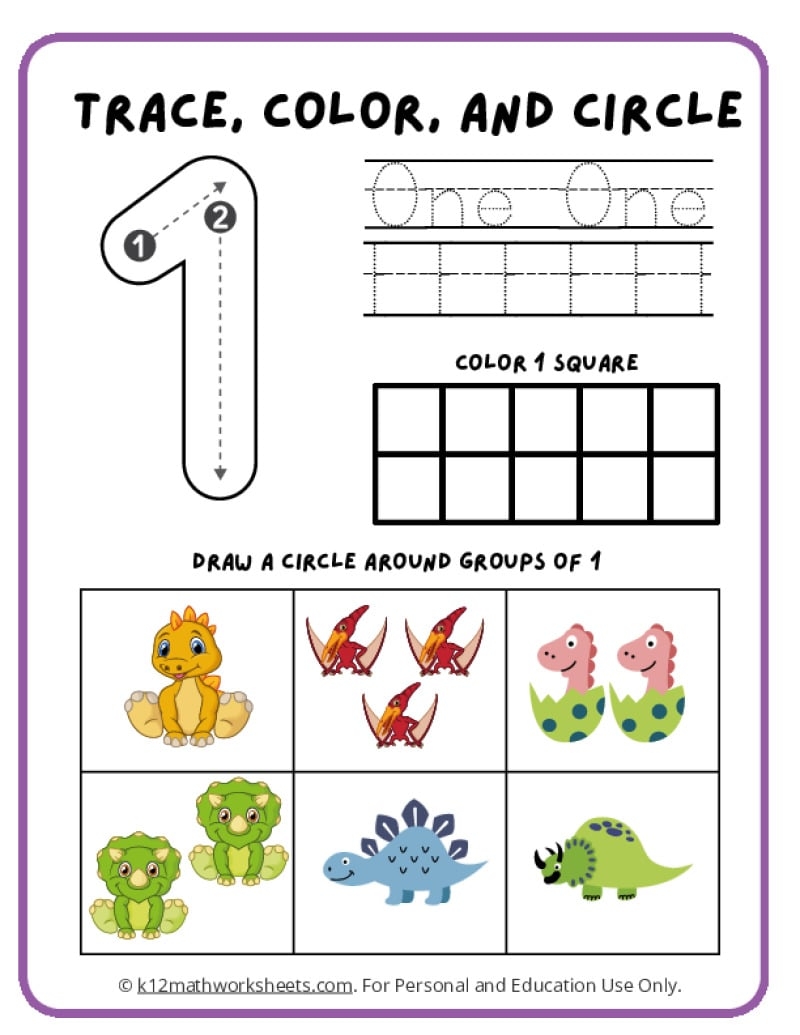
Number Tracing Worksheets
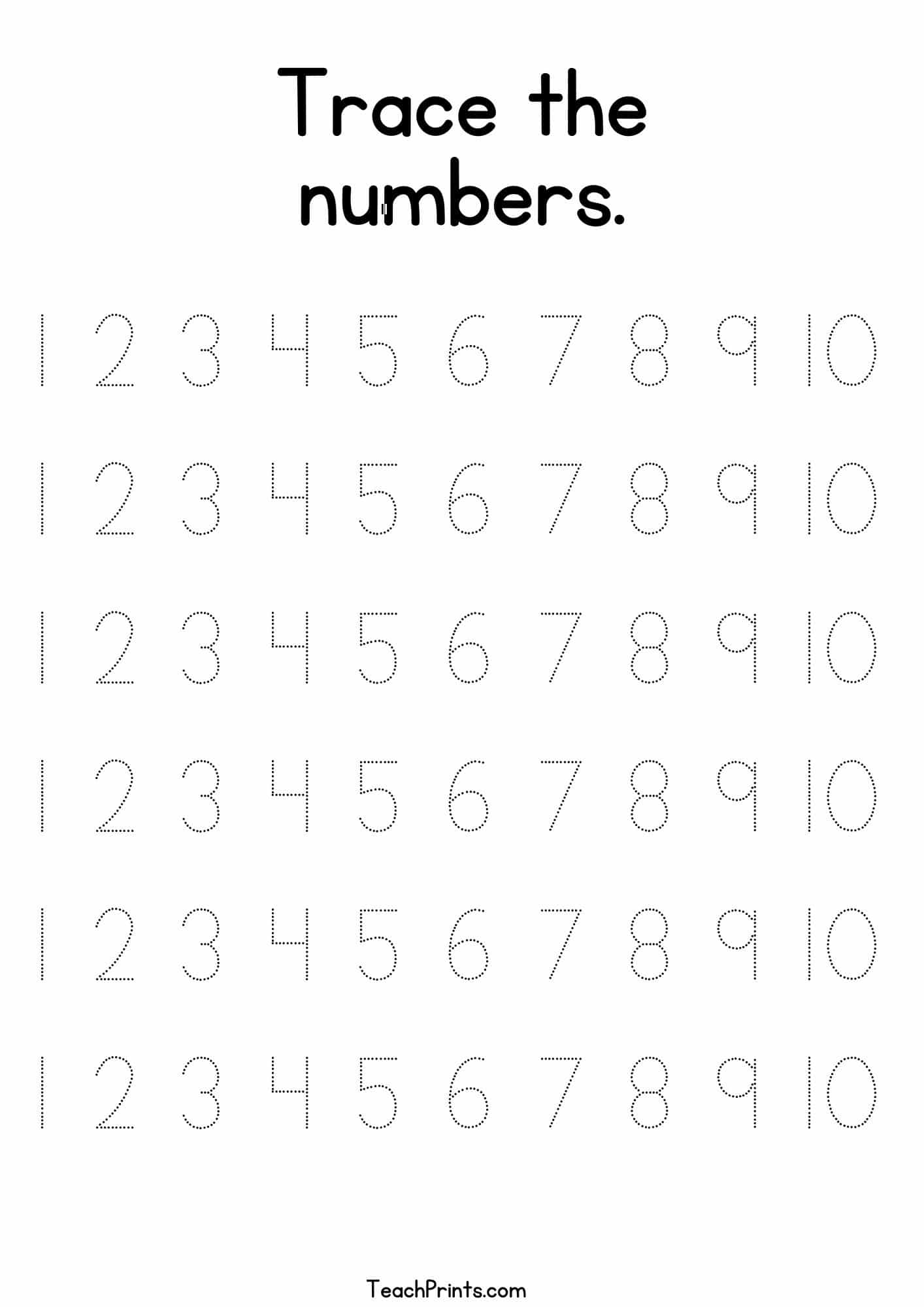
Tracing Numbers 1 10 Worksheets Free Printable Pdfs Teach Prints
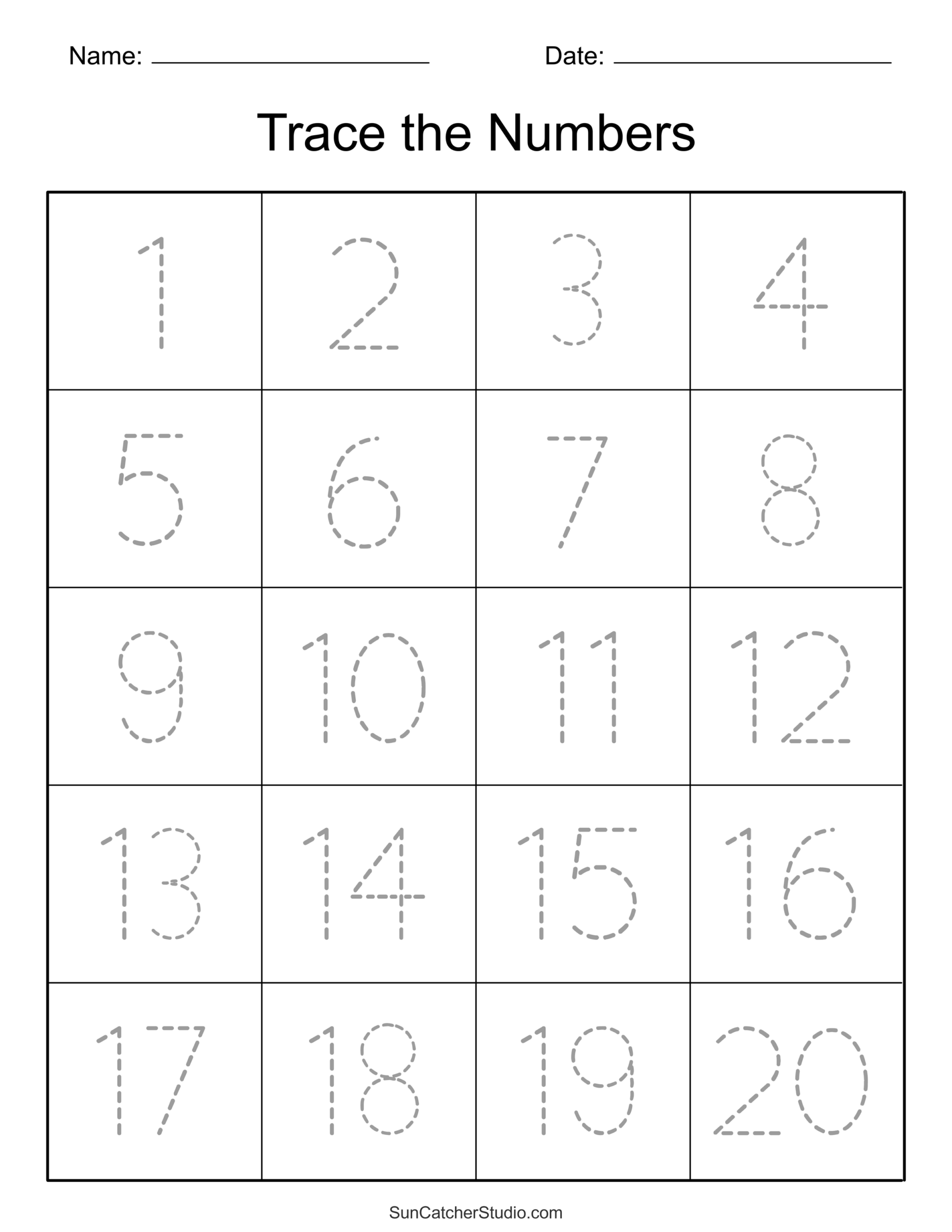
Tracing Numbers Free Printable Practice PDF Worksheets Free Printables Lettering SVG Files Tools Apps